

Policy Brief || August 2026 || The brief proposes a sequenced approach combining a national GSSS framework, stronger institutional coordination, targeted credit enhancement, domestic market development, and a small public-sector pilot issuance.

Policy Brief || July 2026 || The wealthiest 10 per cent of households hold around 77 per cent of measured household wealth.
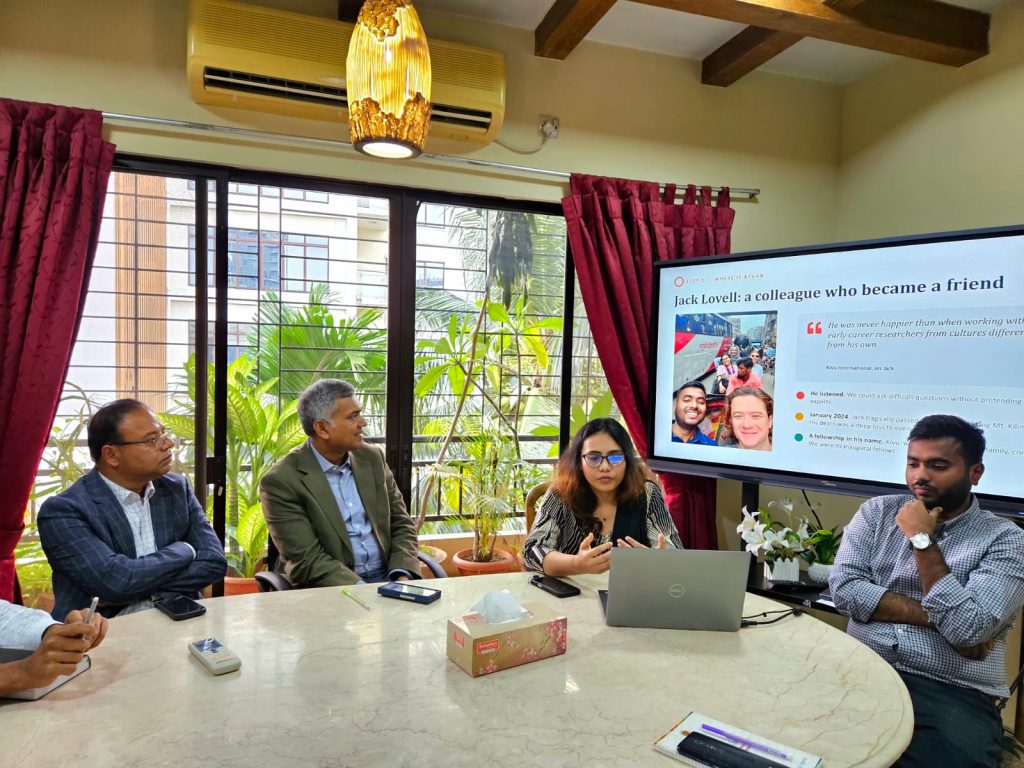
Learning and Professional Growth: Inspired by the Jack Lovell Fellowship
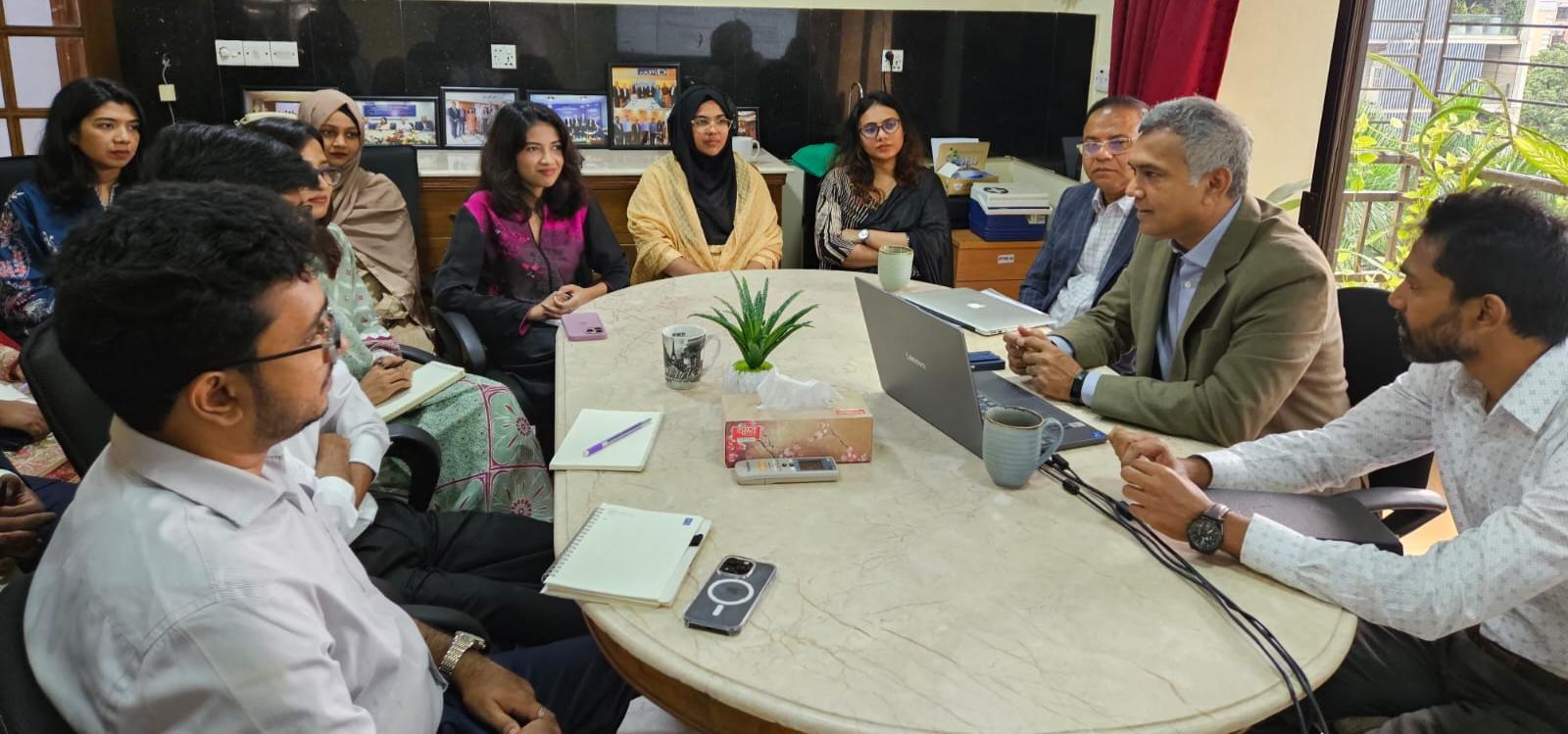
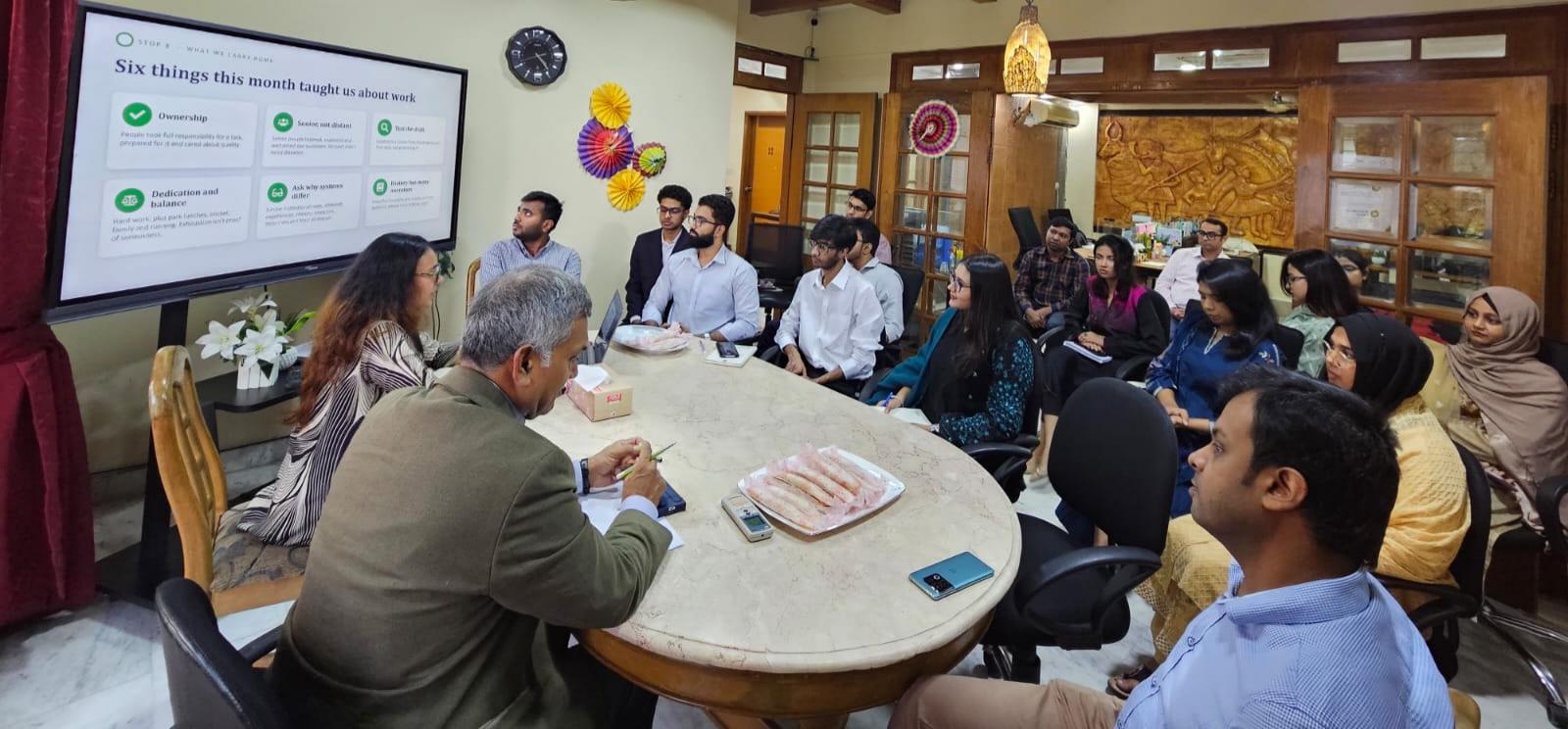
On 26 September, RAPID hosted an internal workshop on "Learning and Professional Growth: Inspired by the Jack Lovell Fellowship." The welcome remarks were delivered by Dr M Abu Eusuf, Executive Director, RAPID and Professor of Development Studies, University of Dhaka.
The first session, "Research, Evidence and Writing in the Age of AI," was facilitated by RAPID Chairman Dr M A Razzaque. The session focused on the ethical use of AI and the potential productivity gains it can offer in research and professional work, followed by two engaging group exercises that allowed colleagues to reflect on the practical use of AI in their work.
Jack Lovell Fellowship: A Month of Learning, Reflection and Exchange
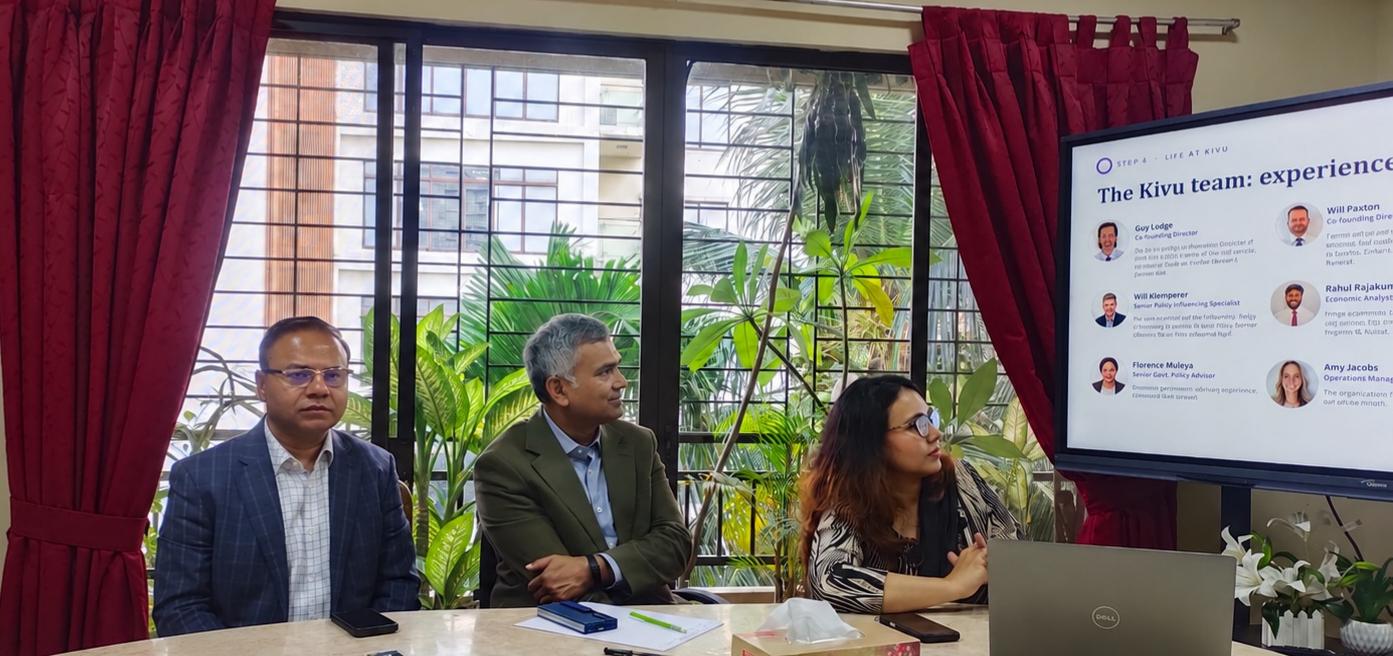
The second session was particularly special for RAPID. Ishrat Jahan Ishita and Md Salay Mostofa, the inaugural Jack Lovell Fellows from Bangladesh, shared their experience of spending four weeks in the UK with Kivu International. The session drew on their experiences to discuss practical lessons for young researchers, particularly taking ownership of their work, asking questions and building confidence through new responsibilities and professional exchanges. The fellowship was established by Kivu with the support of Jack Lovell's parents in memory of Jack, a colleague and friend of RAPID who tragically passed away while trekking Mount Kilimanjaro in January 2024. Kivu International is a London based policy organisation working across Africa and Asia to support policy change that is locally led, politically informed and technically strong.Reflections from Ishita and Salay
The following account is narrated by Ishrat Jahan Ishita and Md Salay Mostofa, drawing on their reflections and presentation at the RAPID workshop.Where it all began
Our fellowship actually started long before we travelled to London. It came out of the work we had been doing in Bangladesh, our connection with Kivu, and our friendship with Jack Lovell. Jack was someone we remembered for his curiosity, openness and willingness to listen. We could ask him difficult questions without feeling that we had to pretend to know everything. Jack sadly passed away in January 2024, and Kivu, together with his parents and family, created the fellowship in his memory. We were fortunate enough to become its inaugural fellows. Dr M A Razzaque introduced us to Kivu and continued to guide and support us throughout the process. Looking back, one thing that really stands out to us is how reliable work and good professional relationships can open doors, sometimes years after the original work was done.
Life at Kivu
At Kivu, we were given a desk, an ID card and a project, but more importantly, we were made to feel like part of the team. We joined meetings and everyday conversations and worked on real questions around Pakistan's labour markets, particularly Sindh and Karachi, with comparisons to Bangladesh, and saw how evidence, political understanding and policy influencing come together. A lot of our learning came simply from watching how the team worked, how they framed questions, weighed evidence and thought about whether ideas could travel from one context to another. And then there was everything outside the office: World Cup nights, lunches in the park, cricket at the Oval, visits to colleagues' homes and time with their families. Those experiences made the relationships feel much more personal, and we began to feel like friends rather than just colleagues.Rooms where policy happen
One of the most valuable parts of the fellowship was getting to see the different places where policy is researched, debated, decided and implemented. We visited research organisations and universities including the Resolution Foundation, Oxford, Sussex, IDS and LSE, and then got to see the other side of the process at Parliament, 10 Downing Street, the Cabinet Office, HM Treasury, HMRC, the Department for Work and Pensions and the Foreign, Commonwealth & Development Office. We saw how ideas are tested, how drafts are challenged and how much careful work sits behind a Budget announcement and the numbers that eventually reach the public. Meetings with economists, academics and policy practitioners, including James Smith, Paul Klemperer, Duncan Green, Nick Pearce and Dan Corry, brought us into conversation with people who had moved between research, government and public life, which gave us a very different perspective on careers. The time these individuals gave to explain their work and answer our questions was among the fellowship's most valuable opportunities. The biggest shift in our thinking was that research is not the end of the line, it is the first station on a much longer journey through debate, decisions and delivery.Beyond London
Although London was our base, some of our most memorable experiences happened outside the city. We travelled to Brighton, Oxford, the Sussex coast, East Grinstead and Hastings. In Brighton, Jane Smith welcomed us into her home, and we later visited the University of Sussex and IDS, where we met academics, including Bangladeshi researchers who had built their careers in the UK. In Oxford, we visited the Blavatnik School of Government and Nuffield College, met Professor Paul Klemperer and spent time with colleagues and their families. Beyond the hospitality, those conversations gave us time to talk about our work, our choices and the kind of people we wanted to become.Jack's Day and the final week
On 19 July 2026, we travelled to East Grinstead for a cricket match held in Jack's memory. We met his parents, family, friends and colleagues, and heard different stories about him from the people who had known him. It was a joyful day, but that joy existed alongside grief and love. As the fellowship came to an end, we presented our own analysis to the Kivu team, thanked our colleagues and mentors, and took some final walks around the city that had been our home for 30 days. By then, Kivu and London had started to feel like home.
What we carry home
The fellowship wasn't always easy. We dealt with a visa rejection, a locked door at midnight, the heat, wrong trains, dead batteries, everyday chores and the challenge of speaking up in rooms full of senior experts. But those experiences also helped us become more confident and independent. More importantly, the month changed how we think about research, policy, careers and professional growth. We no longer see a good report as the finish line; it is the beginning of a process through which evidence moves into debate, decisions and delivery. We also saw that careers don't always follow one straight path, and that expertise isn't simply about having the answers. Sometimes, it is about asking better questions and listening well.Acknowledgements
Ishita and Salay expressed their deepest appreciation to the Kivu team. Guy Lodge, Will Paxton, Will Klemperer, Rahul Rajakumar, Amy Jacobs, Dominika Dalos-Pelsoczi, Ren, Andy and Florence, together with many colleagues and former team members, gave them far more than a programme of meetings. They welcomed them into their work, shared their experiences and made time for conversations, meals and visits that made the month so memorable. The fellows are also grateful to Jack's parents and family for supporting the fellowship and for welcoming them so warmly at the cricket match held in his memory. They also extended their gratitude to everyone they met at various institutions during their visit, people who so generously took the time to share their knowledge and experience. A special thanks was conveyed to Dr M A Razzaque by the fellows for introducing them to Kivu and guiding them through the fellowship. They deeply appreciated the warm hospitality he and his wife extended during their two day visit to the couple's home in the UK. They also thanked PRI for creating the opportunity to collaborate with Kivu on a project, through which they first came to know Jack. Finally, they thanked RAPID for bringing them together with young researchers today and giving them this wonderful opportunity to share the lessons, connections and memories that made the fellowship so meaningful.